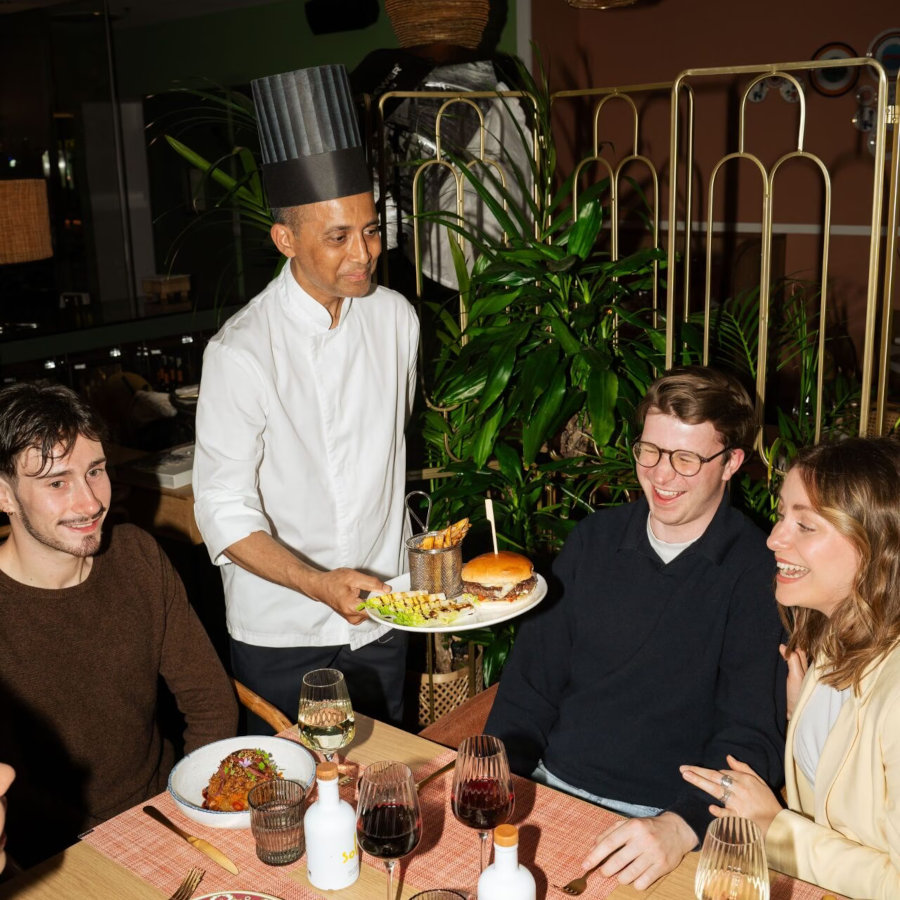
THE all-you-can-eat brunch It's a moment of unashamed pleasure. A weekend ritual where we take our time, savor, and share.
In a festive and elegant address like the Solis, Brunch is not just a buffet: it's an experience. Atmosphere, signature cocktails, generous cuisine, sunny atmosphere… everything is designed to transform the meal into a true escape.
But between overindulging in food, festive cocktails and sometimes difficult digestion, the experience can quickly turn sour if you don't follow a few simple principles.
The good news?
Human physiology is now very well documented. Recommendations from health authorities and research in nutrition allow us to fully enjoy an all-you-can-eat brunch… without paying for it later.
Here are the most common mistakes to avoid to enjoy a festive brunch in the best conditions.
1. Arrive completely fasting
Many believe that you need to “save space”. Problem: prolonged fasting increases the secretion of ghreline, the hunger hormone.
A seminal study published in The Journal of Clinical Endocrinology & Metabolism (Cummings et al., 2001) shows that ghrelin increases significantly after a period without eating and stimulates appetite at the next meal.
In practical terms, this promotes:
- Faster food intake
- Choices higher in fat and sugar
- A reduced perception of satiety
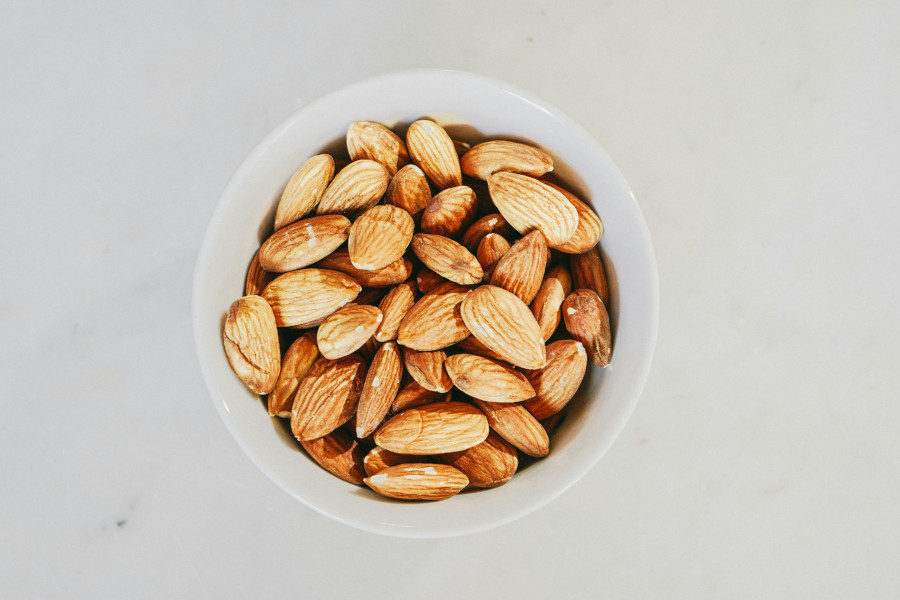
And the longer the deprivation, the higher the risk of overconsumption (Drazen & Woods, 2003, Physiology & Behavior). That's why we recommend a light snack 1 to 2 hours before brunch (fruit + light protein such as yogurt or a handful of almonds) for stabilize blood sugar and limit excesses.
2. Overloading the first plate
The brain takes approximately 15 to 20 minutes to integrate satiety signals. These signals are based on the progressive stretching of the stomach, and the activity of digestive hormones (including leptin and cholecystokinin).
If you overload your first plate, you often exceed your energy needs before your brain has even registered that you've eaten enough. That's why we recommend starting with smaller portions. small portions, to spare 5 to 10 minute breaks between courses, and return to the buffet only if there is still an appetite.
This fractionation improves digestive comfort and reduces the feeling of heaviness.
3. Eating too fast
The eating rhythm influences the regulation of blood sugar, production of satiety hormones and digestive comfort.
A meta-analysis published in BMJ Open (2015) partner Eating quickly increases the risk of being overweight and having metabolic disorders. When you eat too fast:
- We don't chew enough
- We swallow more air (bloating)
- The satiety signal arrives too late
Here is the rhythm recommended by nutritionists:
- 20 to 30 minutes minimum for a meal
- Put down your cutlery between bites
- 15 to 20 chews per bite (Digestion begins in the mouth: saliva contains enzymes (amylase) that initiate the breakdown of carbohydrates.)
4. Poorly managing hydration during meals

Should you drink while eating?
Contrary to popular belief, Drinking water during meals does not disrupt digestion in a healthy person. Gastroenterologists confirm that water does not significantly "dilute" digestive juices.
What is the ideal quantity?
However, this doesn't mean you should drink even if you're not thirsty! Drinking large quantities can make you feel overly full. Here are some practical recommendations:
- 150 to 300 ml during the meal
- Avoid exceeding 500 ml to prevent creating an excessive feeling of heaviness.
At what temperature should it be drunk?
Some studies in digestive physiology show that Very cold drinks (8 to 12°C) may slightly slow down the speed at which the stomach transfers food to the intestine in sensitive individuals.
It's not dangerous — but it can accentuate the feeling of heaviness. Still water is recommended instead. between 15 and 22°C, and drunk in small sips.
5. Drinking cocktails too soon
Alcohol is absorbed quickly when the stomach is empty. Why?
- It crosses the digestive wall more quickly
- The peak blood alcohol level is higher
- The effect is faster
Public Health France recommends a maximum of Two standard glasses a day, not every day, and above all, never on an empty stomach! And as a reminder, a standard glass corresponds to:
- 10 cl of wine (12–13 %)
- 25 cl of beer (5 %)
- 3 cl of spirits (45 %)
The WHO reminds us that there is no completely risk-free threshold: at all quantities, alcohol is dangerous to health.
To limit dehydration and post-brunch fatigue, be sure to:
- Eat before you drink
- Alternate 1 glass of alcohol / 1 glass of water
- Space out consumption by 30 to 45 minutes
6. Accumulating very fatty foods, sugary desserts and alcohol
A brunch can easily combine: Eggs, cheeses, pastries (high in fat), pancakes, cakes (high in simple sugars), and alcoholic cocktails. However:
- Fats require a longer digestion time (up to 4–6 hours).
- Sugars Simple foods cause a rapid rise in blood sugar followed by a fall, which can lead to fatigue and cravings.
- Alcohol It mobilizes the liver as a priority, which temporarily alters the way the body manages nutrients.
ANSES emphasizes that These combinations promote drowsiness and digestive overload. To avoid any inconvenience, here's a smart strategy:
- Start with the savory/protein foods.
- Take a break
- Switch to something sweet
- Keep the cocktails at a moderate pace
7. Ignoring digestion
After a large meal:
- Blood flow increases towards the digestive system
- Vigilance decreases
- Fatigue may appear
We're talking about postprandial drowsiness, a normal physiological phenomenon. Studies in metabolic medicine show that’A light walk of 10 to 15 minutes after a meal improves blood sugar and digestive comfort.
Conversely, it is necessary To aid digestion, avoid lying down immediately and drinking excessive amounts of strong coffee.
Finally, research in neurogastroenterology also shows that stress impairs digestion, while’A friendly environment activates the parasympathetic system — often called “rest and digest”. So to properly digest your brunch, it's important to be in good company!
8. Forget about fibers
The WHO recommends at least 25g of fiber per day. The fibers:
- They slow down glucose absorption
- They prolong the feeling of fullness.
- They promote healthy digestion.
- They nourish the gut microbiota
Dans un buffet, on privilégie souvent viennoiseries, fromages et plats riches, aussi, pour équilibrer, nous recommandons d’add at the beginning of the meal To your plates: Fresh fruit, salads, vegetables, whole grains. Here's how to consume enough fiber during your brunch:
- Savory dish: 2 slices of wholemeal bread (≈ 80 g) → ~6 g, 1 medium bowl of cooked lentils (150 g) → ~7–8 g, 1 small raw carrot (100 g) → ~2–3 g
- Sweet and savory dish: 1 slice of whole-grain bread (40 g) → ~3 g, 1 medium apple (with peel) → ~3–4 g, 1 bowl of berries (150 g) → ~4–5 g, 1 tablespoon of chia seeds (10 g) → ~3–4 g
- "Vegetable" plate: 1 bowl of cooked chickpeas (150 g) → ~7–8 g, 1 portion of cooked broccoli (150 g) → ~4–5 g, 1 small orange → ~2–3 g
9. Caffeine overload

EFSA indicates that an intake of up to 400 mg of caffeine per day is generally safe for a healthy adult.
Beyond that, we risk encountering problems such as:
- Accelerated heart rate
- Gastric irritation
- Nervousness
A brunch combining espresso, cappuccino and caffeinated cocktails can quickly approach this threshold. Alternating coffee and water is a a simple and effective strategy for the well-being of your body.
10. Confusing “at will” and “without limit”
At an all-you-can-eat brunch, a subtle temptation arises: "We have to take advantage of it." And besides, the work of Brian Wansink (Cornell University) show that the mere presence of a buffet significantly increases food consumption, by an order of 20 to 30 %.
However, the maximum gustatory pleasure diminishes after the first few portions (a phenomenon of sensory habituation). In other words: The third portion provides less pleasure than the first.
Biologically, satisfaction does not depend on the volume ingested — it depends on:
- Perceived quality
- The variety discovered
- From emotional experience
A truly successful brunch is based on:
- Curiosity : taste, explore
- The balance alternate between light and indulgent
- Listening to body signals : recognizing satiety
Stopping at the right time allows you to prolong the pleasure… instead of saturating it.
Book your brunch at Solis in Paris

Our all-you-can-eat brunch is available every Saturday, Sunday, and public holiday from 12:30 p.m. We recommend booking in advance, especially on sunny days when our terrace is in high demand.
- Address: 39 Avenue de Wagram, 75017 Paris
- Brunch every Saturday, Sunday & public holidays
- All-you-can-eat brunch formula: €59 per adult / €35 per child
Book directly to benefit from exclusive advantages.
The Solis brunch in Paris 17 is much more than just a meal: it's an enchanting interlude in the heart of the city, an immersion in the Mediterranean through authentic and generous flavors.
Whether you're a fan of sweet and savory buffets, curious to discover new recipes, or simply looking for a good time with friends or family, our Mediterranean brunch is made for you.
📣 Not to be missed
🎉Privatize our spaces for your events
📲 Follow us on Instagram to not miss anything → @solisrestaurantparis